


Already working as a special effects designer or in fashion, screen and media? You may not need to start from scratch. A partner registered training organisation can assess the skills you already have against this nationally recognised qualification.
Overview
The CUA51020 Diploma of Screen and Media is a nationally recognised diploma at AQF Level 5, from the Creative Arts and Culture Training Package.
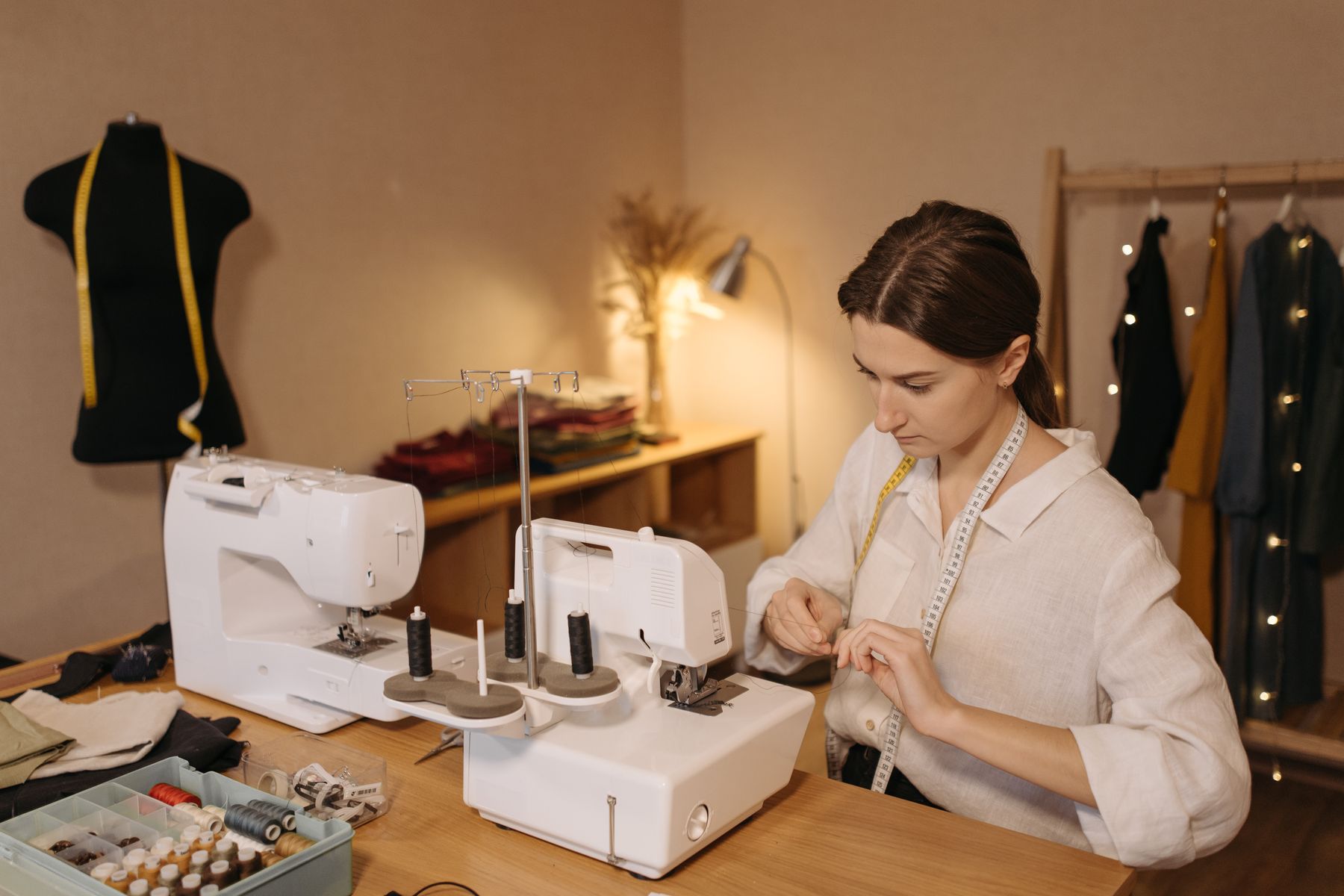
If you already work in fashion, screen and media, your experience may count towards it. Instead of repeating training on tasks you already do, you show evidence of your skills, and qualified assessors at a partner RTO check it against the qualification's requirements.
Future Sync helps you work out whether it suits your experience, build your evidence file and prepare for the assessment.
Career opportunities
Roles linked to this qualification on training.gov.au.
Special Effects Designer
Special Effects Designers design the special effects needed for a production. They determine special effects requirements, and devise visual schemes and elements and technical strategies for realising them.
Lighting Designer (Productions)
Lighting Designers are responsible for the overall lighting of a film, television or theatre production. They light interior and outside scenes to achieve the desired effects through the placement, intensity and colour of lighting.
Assistant Producer
Assistant Producers carry out wide-ranging support duties for Producers. Their duties may include supervising the production team; coordinating pre- and post-production work; securing finance; casting and crew hire; and finding resources and locations. Depending on the production, they may have a great degree of responsibility and/or autonomy.
Specialist Make-Up Artist (Creative)
Specialist Make-Up Artists (Creative) fashion anything from a natural look for TV presenters and guests, to period wigs and make-up or complex special effects such as scars and prosthetics. They read and break down scripts to assess make-up and hair requirements in connection with the production budget.
Editor (Film and Television)
Editors edit and assemble films and videos from raw, unedited footage ('dailies' or 'rushes'), taking into account the mood, pace, climax, etc. of films or television productions. They use both technical and creative skills, and at senior levels may work on complex or fast-turnaround productions.
Animation Designer
Animation Designers devise and create visual elements and schemes for animated productions. Depending on the size of the production, they may create concepts, produce animation, or supervise Animators.
Why have your experience assessed
Credit for what you already do
Your existing skills in fashion, screen and media are assessed against the qualification, instead of being taught again from the start.
Little or no time in class
You keep working while you prepare your evidence. Gap training is only needed if the assessor finds gaps.
A qualification employers recognise
The Diploma of Screen and Media is nationally recognised, which can support job applications, promotions and the roles you are already capable of.
Documents and evidence you might need
You do not need everything before your first conversation. The partner RTO may ask for more.
General documents
- 100 points of ID
- Updated resume
- Reference letters
- Payslips or tax records
Work evidence
- Portfolios and photos of work
- Client or employer references
- Project briefs
- Invoices or payslips
Photos and videos
- Photos of work you completed
- Videos of you doing workplace tasks
- Work samples
How it works
- 1
A conversation about your work
- 2
Matching your experience to a qualification
- 3
Building your evidence file
- 4
Assessment by a registered training organisation
- 5
Your qualification
Frequently asked questions
Can I get the Diploma of Screen and Media with my work experience?
Possibly. If you already do the work this qualification covers, a partner registered training organisation (RTO) can assess your existing skills against its requirements. If your evidence meets them, the RTO can issue the qualification without you completing the full course. Future Sync helps you check the fit and prepare your evidence.
What evidence will I need?
Usually proof of identity, proof of employment such as reference letters and payslips, and proof of skill such as photos or videos of your work. For fashion, screen and media, people often use: portfolios and photos of work, client or employer references, project briefs, invoices or payslips. The RTO decides the final requirements.
Is it the same qualification as completing the course?
Yes. The CUA51020 Diploma of Screen and Media issued by an RTO after assessing your existing skills is the same nationally recognised qualification that students receive after completing the course.
Do I need to attend classes?
Usually not, or only briefly. You are assessed on what you can already do. If the assessor finds gaps, you may need to provide more evidence, complete assessment tasks or do gap training for those parts only.
Future Sync Pty Ltd is an education consultancy and application support service. Future Sync is not a Registered Training Organisation and does not issue qualifications. All assessments, enrolment approvals, competency decisions and qualification issuance are completed by authorised partner RTOs. Qualification outcomes are not guaranteed and depend on the applicant's evidence and the RTO's assessment decision. Licensing, employment and migration outcomes are subject to separate authority requirements.
Tell us what you do and how long you have done it. We will tell you honestly whether this qualification looks realistic for you.